Respite Care in Nevada: Finding Licensed Providers
NevadaList editorial · 2026-09-16
What Respite Care Means for Nevada Families
Respite care is short-term or intermittent in-home care whose purpose is giving a family caregiver a break. The duration ranges from a few hours a week up to daily visits. A caregiver might need respite to attend doctor appointments, run errands, or simply rest. The aide handles personal care tasks, meal preparation, and supervision during those hours.

This type of care differs from ongoing daily assistance. The focus is on the family caregiver’s schedule and needs rather than a condition-driven care plan.
How Nevada Licenses Respite Care Providers
In Nevada licensing terms, agencies offering respite care operate under the personal care (non-medical) license category. As of September 2026, Nevada has 430 licensed personal care agencies that can offer respite services. The Nevada Bureau of Health Care Quality and Compliance issues these licenses and maintains the public roster.
Personal care licenses authorize assistance with activities of daily living such as bathing, dressing, meal preparation, and medication reminders. They do not cover skilled nursing tasks like wound care or injections. Agencies wanting to offer both personal care and skilled services carry dual licenses. The state roster shows 29 dual-licensed agencies as of September 2026.
To verify any agency’s license status, contact the Bureau of Health Care Quality and Compliance directly. They hold the official records and can confirm what services an agency is authorized to provide.
Where Licensed Agencies Operate Across the State
As of September 2026, Nevada has 703 total licensed home care agencies. The majority operate in Clark County. Las Vegas has 552 licensed agencies, Henderson has 53, and North Las Vegas has 30. In Washoe County, Reno has 40 licensed agencies.
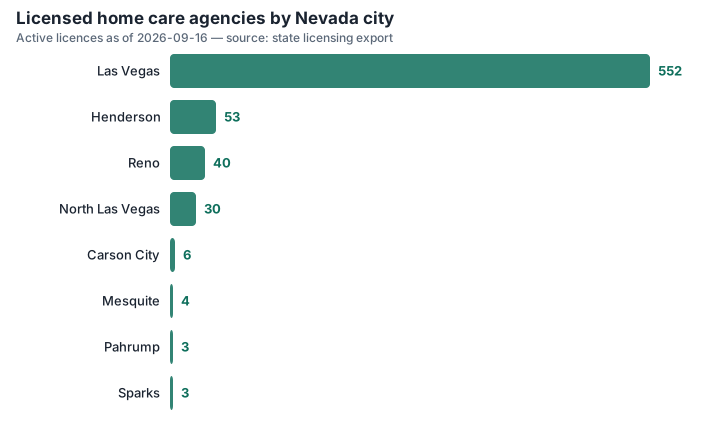
Rural counties have fewer options. Carson City has 6 agencies, Mesquite has 4, and Pahrump has 3. Some agencies serve multiple counties, so a family in a smaller town may find providers willing to travel from nearby cities.
The concentration in urban areas reflects population density but also means rural families often face longer wait times and fewer provider choices.
Questions to Ask When Choosing a Provider
Before hiring any agency, verify its license is current and active. Ask what specific tasks the aide will perform and whether those match your needs. Confirm whether the agency handles scheduling adjustments when your family’s availability changes.
Ask about aide training and supervision. Does the agency conduct background checks? How does it handle concerns or complaints? What is the process if an aide calls in sick?
Discuss costs upfront. Some agencies bill by the hour with minimum visit requirements. Others offer package rates for certain weekly hours. Clarify what insurance or Medicaid programs the agency accepts, if any. Private pay rates vary widely.
Meet the aide before the first shift if possible. Clear communication about household routines, the care recipient’s preferences, and emergency contacts prevents confusion later.

Related Services: Companion and 24-Hour Care
Respite care sits between companion care and round-the-clock assistance. Companion care typically means supervision and social interaction without hands-on personal care. The 430 personal care agencies in Nevada can provide companion services as well, since that requires less assistance than the full personal care scope.
For families needing overnight or 24-hour coverage, agencies that hold both personal care and home health licenses offer more flexibility. The September 2026 roster lists 29 agencies with dual licenses. These agencies can send aides trained in both personal care tasks and basic health monitoring.
Intermittent respite can transition into more regular care as needs change. Starting with a few hours per week lets families assess the agency’s reliability and the aide’s fit before committing to a larger schedule.